11 December 2025
Commercial Waterproofing Contractor: Design, Installation & Accountability
Finding a commercial waterproofing contractor who actually takes full responsibility for the design and installation isn’t always easy. You’ve probably heard stories of split liability, botched basement waterproofing, or worse, a contractor pointing fingers when water ingress shows up six months later.
That’s where we come in.
APP has been protecting commercial properties across Cambridgeshire and East Anglia since 1967. We don’t just install waterproofing systems. We design them, install them, and guarantee the outcome. No middlemen, no blame games.
Waterproofing Design and Installation With One Team, Full Liability
On commercial projects, waterproofing isn’t just about throwing in a membrane and hoping it works. It’s a technical process that must follow BS 8102:2022, the British Standard for the protection of below-ground structures against water ingress.
Whether it’s a new commercial building or a refurbishment, we work with your architect or design team or act as the design team ourselves. We make sure your waterproofing design is not only compliant but also practical to build.
We design and implement waterproofing systems in line with:
- BS 8102:2022
- NHBC Chapter 5.4
- LABC and local authority building control
- Insurance-backed standards like GPI
Once approved, we install the system exactly as drawn. That includes:
- Type A (barrier systems like tanking)
- Type B (integral protection using waterproof concrete)
- Type C (drained cavity systems like cavity drain membrane + sump)
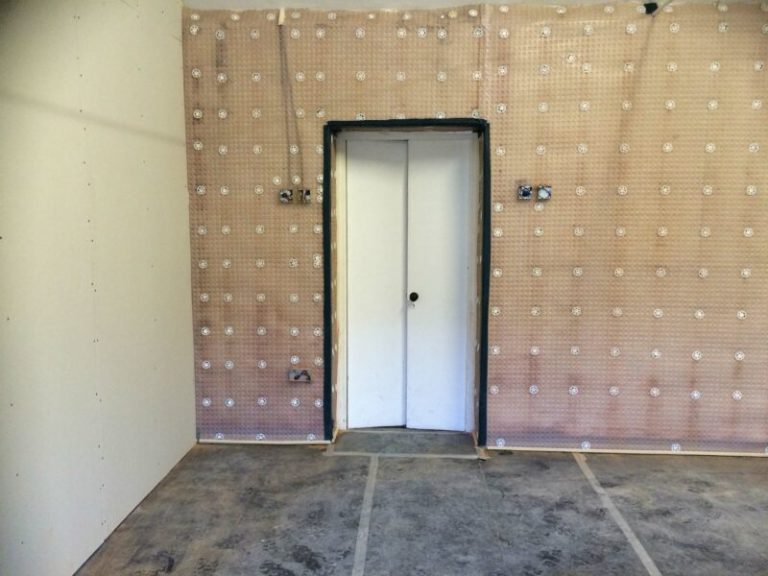
Most commercial basements use Type C; it’s reliable, maintainable, and flexible in design. We’ve installed hundreds of cavity drain systems using modular drainage channels, perimeter drainage, and sump and pump units that are easy to maintain and compliant with NHBC and PCA guidance.
Commercial Waterproofing Design – Why It’s Often Done Wrong
Let’s be honest. Many commercial waterproofing projects fall apart because the design was rushed, generic or disconnected from the build team. That leads to:
- Split liability between architect and contractor
- Incorrect waterproofing types for the ground conditions
- Membranes not marrying up with detailing
At APP, we don’t separate design and build. We take full responsibility from the start. Our CSSW qualified surveyors assess the structure, ground conditions, usage, and risks before any design is issued.
We recommend waterproofing types that make sense for your building and guarantee they’ll meet or exceed BS 8102 standards.
New Build vs Refurbishment
New commercial builds often allow us to work as part of the design team, specifying structural waterproofing early with the architect. This avoids retrofitting issues and makes compliance much simpler.
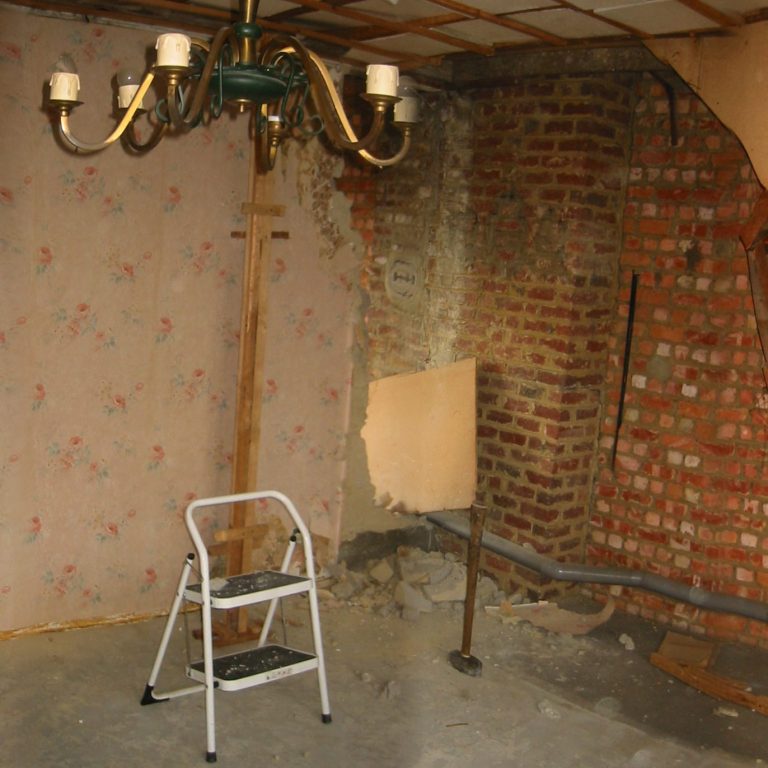
But we also specialise in refurbishments. Retrofitting a basement waterproofing system is more complex because access is tighter, structures are older, and mistakes are more costly.
That’s why our process includes:
- Careful investigation of existing conditions
- Drainage channel design that suits the building
- Modular cavity drain systems for flexibility
- Sheeting, membranes, tanking, and sump options as needed
We’ve waterproofed everything from old banks in Cambridge to new build data centres, and everything in between.
What a Waterproofing Contractor Should Take Responsibility For
If you’re bringing in a waterproofing contractor, here’s what they should own completely:
- Design responsibility and not passing it to your architect
- Selection of waterproofing system types based on ground conditions
- Installation accountability using our own engineers, not subbies
- Compliance with BS 8102, NHBC Chapter 5.4, and local authority standards
- Independent accreditation – PCA, TrustMark, CHAS, LABC
- Insurance-backed guarantees on the completed waterproofing system
APP ticks every one of these boxes. We’ve even been named Structural Waterproofing Contractor of the Year three times – 2019, 2022 and 2024.
Accreditation & Compliance – Not Just Box-Ticking
Our waterproofing services are backed by:
- CSSW qualified specialists
- Regular PCA audits
- Membership of CHAS, TrustMark, and LABC
- Full insurance backed guarantees
- Projects delivered in full compliance with BS 8102 and NHBC
Every commercial waterproofing project we take on is checked internally before handover. Our reports, method statements, and handover packs give you full peace of mind for both warranty and liability.
Types of Waterproofing Systems We Install
We’re not tied to a single product or supplier. That means we recommend what’s best for your site and budget, including:
- Cementitious tanking systems
- Cavity drain membrane systems (Type C)
- Waterproof concrete systems (Type B)
- Drainage channel and sump installations
- External membranes for Type A protection
- Combined systems for dual protection
Every project is unique, and that’s how we treat it.
FAQs
Do you provide waterproofing design and installation as one service?
Yes, we handle both with no split liability.
Can you help if we’ve already started building?
Absolutely. We often join projects mid-way and adapt the waterproofing design accordingly.
Do your systems comply with BS 8102:2022 and NHBC Chapter 5.4?
Yes. Every system we install is compliant with the latest regulations and comes with full documentation.
Are your installers in-house?
Yes. No subcontractors. Our in-house engineers are fully trained and accredited.
Need a Commercial Waterproofing Contractor You Can Actually Rely On?
APP has been designing and installing commercial waterproofing systems across Cambridgeshire for over 50 years. Whether you’re working on a new build or refurbishing a basement, we take full responsibility for the waterproofing design, installation and outcome.
If you need a watertight system that’s fully compliant, backed by accreditation, and guaranteed, we’re your team.